


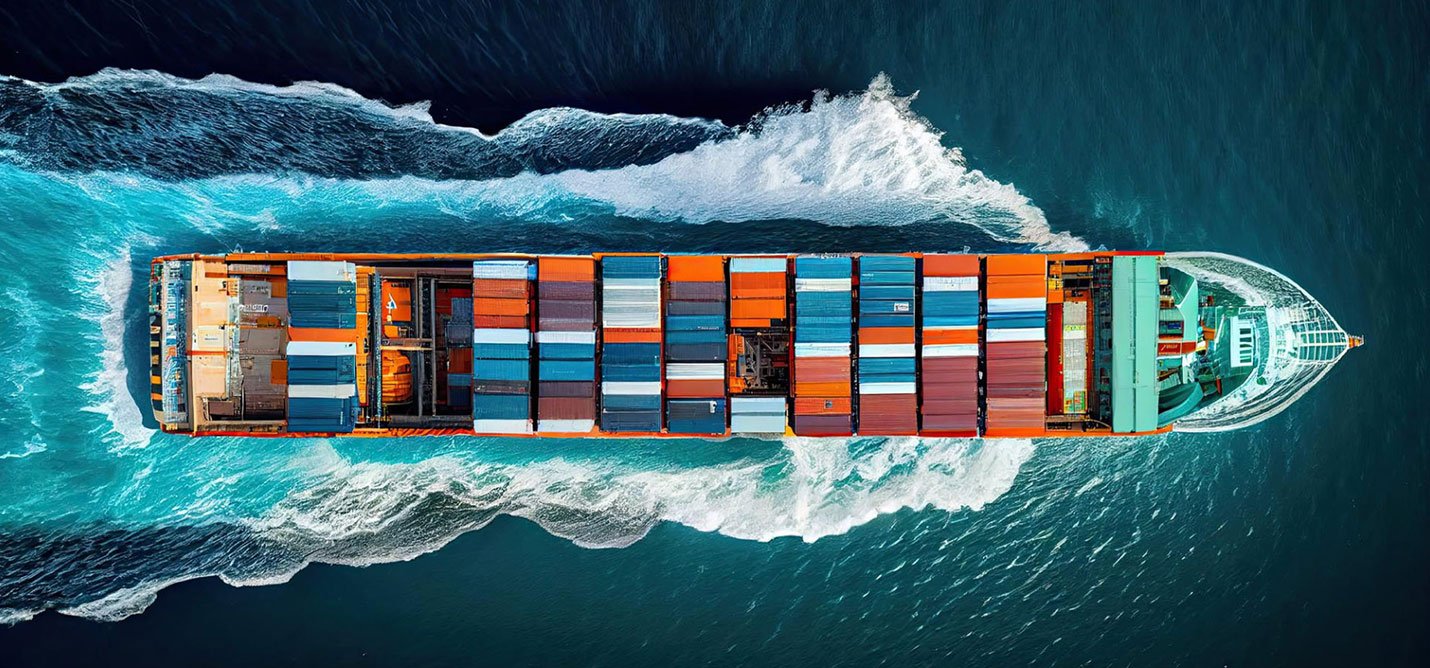
International shipping doesn’t have to be expensive, especially if you’re importing small quantities.
One of the smartest cost-saving strategies in global trade is freight consolidation.
If you are shipping from multiple suppliers or placing small trial orders, this method can significantly reduce your logistics expenses.
What is Freight Consolidation?
Freight consolidation combines multiple smaller shipments into one container.
Instead of paying for a full container, you only pay for the space your cargo occupies.
This is commonly known as LCL (Less than Container Load).
Why Small Businesses Overpay for Shipping
Many businesses:
- Ship separately from each supplier
- Avoid consolidation planning
- Missed documentation coordination
- Overlook cargo optimization
This leads to higher freight costs and unnecessary handling charges.
LCL vs FCL – Which is Better?
When planning international shipping, businesses usually choose between LCL (Less than Container Load) and FCL (Full Container Load) depending on the shipment size, urgency, and cost considerations.
LCL (Less than Container Load)
LCL shipping is used when the cargo volume is not enough to fill an entire container. In this method, multiple shipments from different businesses are combined into one container, and each importer pays only for the space their cargo occupies.
✔ Ideal for small consignments
✔ Lower cost for low-volume shipments
✔ Flexible for businesses sourcing from multiple suppliers
This option is commonly used by small and medium-sized businesses that want to reduce shipping costs while importing smaller quantities.
FCL (Full Container Load)
FCL shipping is used when a business has enough cargo to fill an entire container. In this case, the container is dedicated to a single shipment, which reduces handling and transit complexity.
✔ Suitable for bulk imports
✔ Faster container handling at ports
✔ Fixed container space reserved for one shipment
FCL is generally preferred for large orders where the shipment volume justifies booking an entire container.
In most cases, freight consolidation works best with LCL shipments, as it allows businesses to combine cargo from multiple suppliers and significantly reduce international shipping costs.
Major Benefits of Freight Consolidation
Freight consolidation is widely used by businesses importing smaller quantities because it improves logistics efficiency while reducing overall shipping expenses. When shipments are consolidated and handled professionally, companies can achieve both cost savings and better cargo management.
- Reduced Shipping Costs
One of the biggest advantages of freight consolidation is lower transportation costs. Instead of paying for a full container, businesses share container space with other shipments and pay only for the space their cargo occupies. This makes international shipping far more affordable, especially for small and medium-sized businesses importing limited quantities.
- Optimized Container Space
Freight consolidation ensures that container space is used efficiently. Logistics teams carefully organize and load cargo from multiple suppliers to maximize container capacity. This prevents wasted space and improves the overall efficiency of international cargo transportation.
- Centralized Documentation
When shipments are consolidated through a professional logistics provider, documentation is managed in a structured, centralised manner. Export paperwork, shipping documents, and compliance requirements are coordinated, reducing the risk of errors and simplifying customs clearance.
- Better Cargo Handling
Consolidation warehouses are designed to manage multiple shipments in an organized environment. Cargo is properly labelled, sorted, palletised, and prepared before being loaded into containers. This structured process improves handling efficiency and reduces confusion during loading and unloading.
- Lower Risk of Damage
When shipments are consolidated professionally, proper packaging, palletization, and loading techniques are used to secure the cargo. Organised container loading reduces movement during transit, helping minimise the risk of product damage during international transportation.
When freight consolidation is planned and managed correctly, businesses can typically reduce shipping costs by 20–40%, depending on shipment volume, container utilization, and shipping routes.
When Should You Use Freight Consolidation?
Freight consolidation is particularly useful when businesses want to manage shipping costs while importing smaller quantities of goods. It allows companies to combine shipments efficiently without paying for an entire container.
- Testing New Products
When businesses are launching new products or testing demand in the market, they usually place smaller orders instead of large bulk purchases. Freight consolidation allows them to ship these smaller quantities cost-effectively without committing to a full container.
- Ordering from Multiple Suppliers
Many businesses source products from different suppliers or factories. Shipping each supplier’s cargo separately can increase freight costs significantly. Freight consolidation helps combine shipments from multiple suppliers into one container, reducing both transportation and handling costs.
- Managing Limited Inventory
Companies that prefer maintaining smaller inventories can use freight consolidation to ship products more frequently in smaller batches. This helps businesses manage stock levels efficiently without investing heavily in large shipments.
- Reducing Upfront Logistics Costs
For startups and growing businesses, shipping an entire container may not be financially practical. Freight consolidation allows them to reduce upfront logistics expenses by paying only for the cargo space they actually use.
Freight consolidation is especially beneficial for industries that import diverse products from international markets, such as furniture sourcing, interior decor products, lighting equipment, and machinery imports, where shipments often come from multiple suppliers.
How Freight Consolidation Works – Step by Step
Freight consolidation may sound complex, but the process is actually quite structured. Logistics providers follow a systematic approach to combine shipments from multiple suppliers into a single container for international transportation.
Step 1: Cargo Collection from Suppliers
The process begins with collecting cargo from different suppliers or factories. These shipments are transported to a designated consolidation warehouse, usually located near major manufacturing hubs or ports.
Step 2: Cargo Inspection and Verification
Once the goods arrive at the consolidation warehouse, they are inspected for quantity, labelling accuracy, and packaging condition. This step ensures that all cargo matches the documentation and meets shipping requirements.
Step 3: Sorting and Consolidation
After inspection, shipments from different suppliers are sorted and organized. Logistics teams carefully plan how cargo will be loaded into the container to maximise space efficiency while ensuring the safe placement of goods.
Step 4: Proper Packaging and Palletization
Cargo is then prepared for international transportation through secure packaging and palletization. This reduces movement during transit and helps protect goods from damage.
Step 5: Documentation and Customs Preparation
All required shipping documents are prepared before dispatch. This includes commercial invoices, packing lists, bill of lading, and any necessary compliance certificates required for international trade.
Step 6: Container Loading and Shipment
Once everything is verified, the consolidated cargo is loaded into the container and shipped via sea freight to the destination country. Businesses only pay for the portion of container space their cargo occupies.
Step 7: Destination Handling and Delivery
After the container reaches the destination port, cargo is unloaded and distributed to the respective importers. Proper documentation ensures smooth customs clearance and timely delivery.
When managed professionally, this structured process allows businesses to ship smaller consignments efficiently while benefiting from reduced freight costs and organized cargo handling.
Final Thoughts
Freight consolidation is not just a cost-saving technique; it’s a strategic logistics decision.
With structured cargo planning, documentation management, and supplier coordination, businesses can significantly reduce shipping expenses while maintaining safety and compliance.
AirOSea International Limited, with its global logistics network spanning 65+ countries and 18 years of international trade expertise, provides professional freight consolidation services, managing everything from small consignments to large bulk shipments with complete documentation and compliance support.
Because efficient logistics doesn’t just save money.
It protects margins and improves supply chain stability.
Looking to reduce your international shipping costs?
Partner with AirOSea International Limited for reliable freight consolidation, global sourcing support, and seamless logistics solutions tailored to your business needs.
Contact us today!
Pellentesque sollicitudin congue dolor non aliquam. Morbi volutpat, nisi vel ultricies urnacondimentum, sapien neque lobortis tortor, quis efficitur mi ipsum eu metus. Praesent eleifend orci sit amet est vehicula.
 Sub Heading
Frequently Asked Questions
Yes, when supplier verification, inspection, and documentation are handled professionally.
Not mandatory, but highly recommended, especially for first-time large-scale procurement.
Structured milestone payments or secure international banking methods are safer than full advance payments.
Air freight takes 5–10 days, while sea freight typically takes 20–40 days, depending on destination.
Yes, experienced sourcing and logistics companies handle supplier coordination, negotiation, inspection, documentation, and global shipping within a single structured system.
Neque porro est qui dolorem ipsum quia quaed inventor veritatis et quasi architecto var sed efficitur turpis gilla sed sit amet finibus eros. Lorem Ipsum is simply dummy
Neque porro est qui dolorem ipsum quia quaed inventor veritatis et quasi architecto var sed efficitur turpis gilla sed sit amet finibus eros. Lorem Ipsum is simply