



The Importance of Supply Chain Visibility in Logistics
If you're planning to source products from China, you’re not alone. From furniture and lighting to machinery and business equipment, China remains one of the world’s largest manufacturing hubs.
But here’s the reality: sourcing from China can either multiply your profits… or create costly mistakes.
The difference?
Structure. Verification. Logistics planning.
Let’s walk through how to do it properly.
Why Businesses Still Choose China for Sourcing
Despite global shifts, China continues to dominate manufacturing because of:
- Massive supplier ecosystem
- Competitive pricing
- Strong production capacity
- ODM & OEM customization options
- Established export infrastructure
Whether you're an interior brand, hotel owner, retailer, or industrial buyer, sourcing from China offers scalability that few markets can match.
But success depends on process.

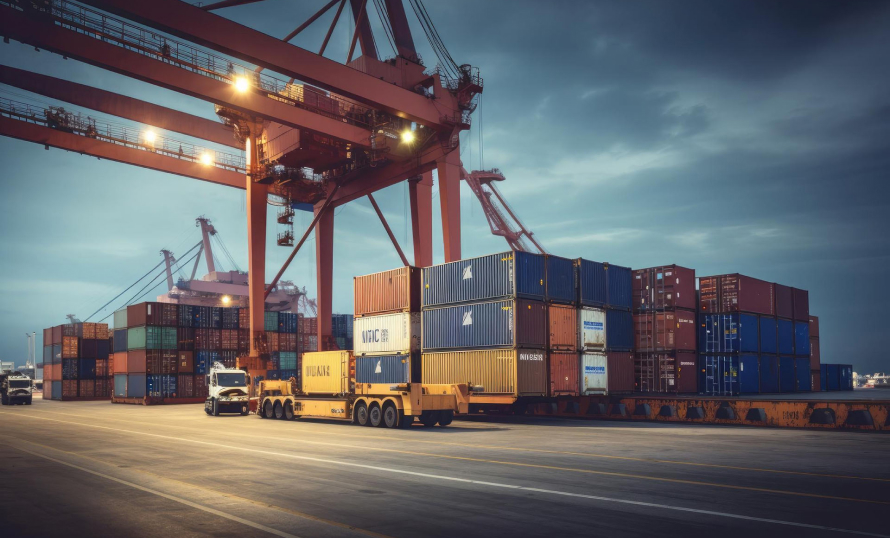
Warehouse On-Hand Inventory
Step 1: Define Product Specifications Clearly
Before contacting suppliers, finalize:
- Materials
- Dimensions
- Certifications required
- Packaging expectations
- Target delivery timeline
Vague communication leads to production errors and fixing those internationally is expensive.
Step 2: Finding Reliable Chinese Suppliers
There are thousands of suppliers online. Not all are reliable.
Safer sourcing options include:
- Visiting trade exhibitions like the Canton Fair
- Conducting factory visits
- Working with verified supplier networks
- Partnering with companies that have an on-ground China office
An on-ground presence dramatically reduces fraud risks and miscommunication.
Step 3: Supplier Verification & Risk Reduction
Before placing bulk orders:
- Verify business registration
- Check export history
- Ask for product samples
- Conduct factory audits
- Confirm certifications
Skipping this step is the #1 mistake new importers make.
Step 4: Smart Price Negotiation
Negotiation isn’t just about reducing cost.
It’s about aligning:
- Payment terms
- Production schedule
- Quality standards
- Packaging method
- Incoterms
Structured negotiation protects both profit and timeline.
Step 5: Quality Inspection Before Shipment
Never skip inspection.
A pre-shipment inspection confirms:
- Correct quantity
- Material quality
- Finishing standards
- Proper packaging
Fixing issues before dispatch saves massive shipping and return costs.
Step 6: Choosing the Right Shipping Method
Air Freight
- Faster (5–10 days)
- Higher cost
- Suitable for urgent shipments
Sea Freight
- Economical for bulk
- 20–40 days transit
- Ideal for furniture & machinery
Small consignments? Freight consolidation can reduce costs significantly.
Step 7: Documentation & Customs Compliance
Incorrect documentation leads to:
- Customs delays
- Extra charges
- Cargo hold-ups
Required paperwork typically includes:
- Commercial invoice
- Packing list
- Bill of lading
- Compliance certificates
Final Thoughts
Sourcing products from China is not risky; doing it without structure is.
With 18 years of international trade experience and a dedicated China office, AirOSea International Limited supports businesses with verified supplier sourcing, structured negotiation, inspection coordination, documentation management, and seamless global logistics.
Instead of navigating factories, freight, and compliance alone, businesses partner with experts who understand both the Chinese market and international shipping systems.
Because smart sourcing isn’t just about buying cheaper.
It’s about building a reliable global supply chain.
Looking to source products from China or manage international shipments more efficiently?
Connect with AirOSea International Limited to explore structured global sourcing, freight consolidation, and end-to-end logistics solutions for your business.
Contact us today!
Frequently Asked Questions (FAQs)
It means consolidating multiple small shipments into a single container to reduce international shipping costs.
Yes, when cargo is properly packaged and handled by professional logistics teams.
Savings typically range between 20–40% depending on shipment size and destination.
Yes, it is ideal for shipments coming from different suppliers within the same region.
Yes, all international shipments require proper export and import documentation.